
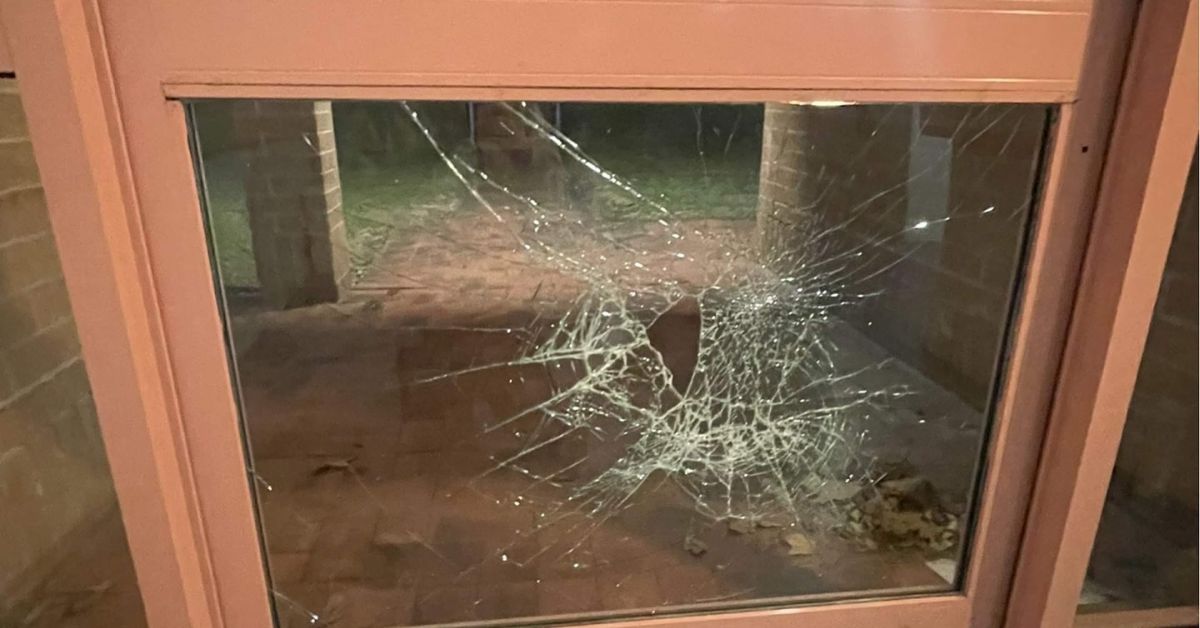
If a window breaks in a rental, the landlord is responsible for arranging and completing the repair quickly because it is considered an urgent safety issue. However, who pays depends on what caused the damage. If the tenant, their child, or a guest caused it, the tenant usually pays for it. If it is due to wear and tear, weather, or structural issues, the landlord covers the cost. In real situations, we often see landlords organise repairs immediately, then recover the cost from the tenant if the tenant was at fault.
Broken windows are one of those problems that instantly turn into a headache in rental properties.
It usually happens out of nowhere. One minute, everything is fine; the next thing you know, there is shattered glass on the floor, cold air rushing in, and someone asking, “Who’s paying for this?”
From my side, as an emergency glass repair specialist, this is a daily scenario. We get calls from stressed tenants, frustrated landlords, and property managers trying to sort things out quickly.
The confusion almost always comes down to one thing. People mix up who is responsible for fixing the window with who is responsible for paying for it.
They are not the same.
So let’s break it down clearly, based on real-world situations, not just theory.
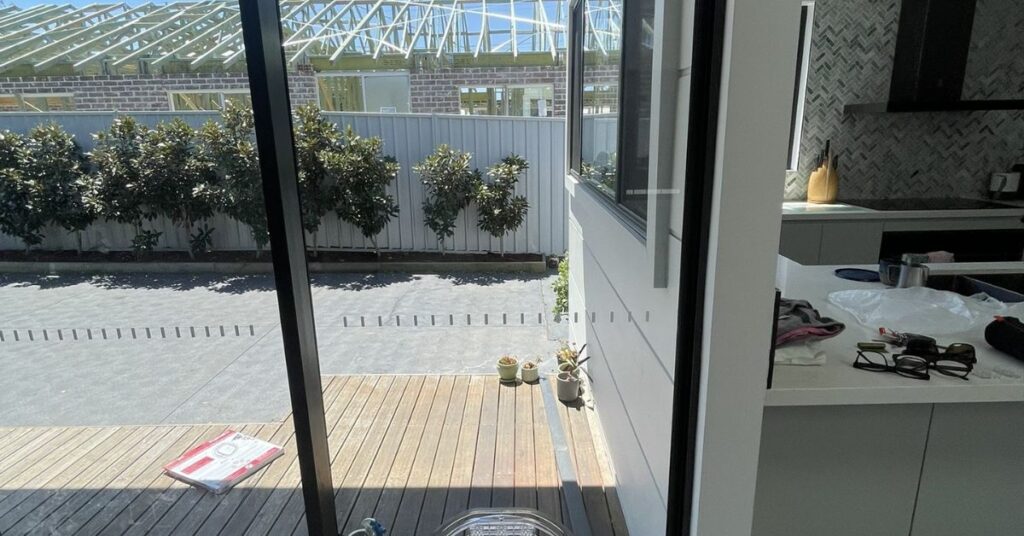
Why Broken Windows Are Considered Urgent Repairs
A broken window is not something you can ignore for a few days.
It affects safety, security, and liveability straight away. You have exposure to weather, risk of injury, and an open access point to the property.
That is why broken windows are considered urgent repairs under most tenancy laws.
From experience, we are often called out the same day. Sometimes within hours. If full replacement cannot be done immediately, we secure the opening with a temporary board to keep the property safe.
Here is the key thing most people misunderstand.
Even if the tenant caused the damage, the landlord still has a responsibility to ensure the property is repaired promptly and remains safe to live in.
Delaying repairs because of a payment dispute is where things start to go wrong.
Rental Property Window Repairs: What the Data Shows
Understanding who is responsible for window repairs is important, but it also helps to look at the broader picture of rental housing.
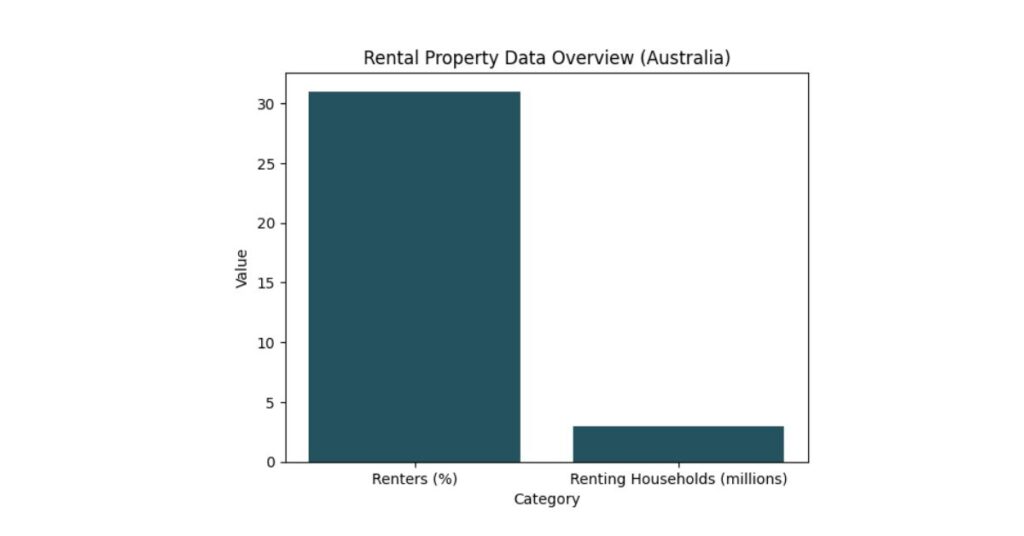
In Australia, renting is extremely common. Around 31 per cent of households are renters, which equates to millions of people dealing with ongoing property maintenance and repair issues.
That alone explains why questions like broken window responsibility come up so often.
On top of that, nearly 3 million households are renting, with a large portion in the private rental market.
What makes this more relevant is that renters tend to spend a higher proportion of their income on housing costs, so unexpected repair costs can hit them financially harder.
From what we see on the ground, this creates tension when damage happens. Tenants worry about unexpected expenses, while landlords focus on maintaining the property and protecting their investment.
There is also a practical side to this.
With rental demand increasing and vacancy rates tightening, repairs are expected to be handled quickly. Delays, especially for urgent issues such as broken windows, can affect tenant satisfaction and even legal compliance.
That is why having clear expectations around responsibility is more important than ever.
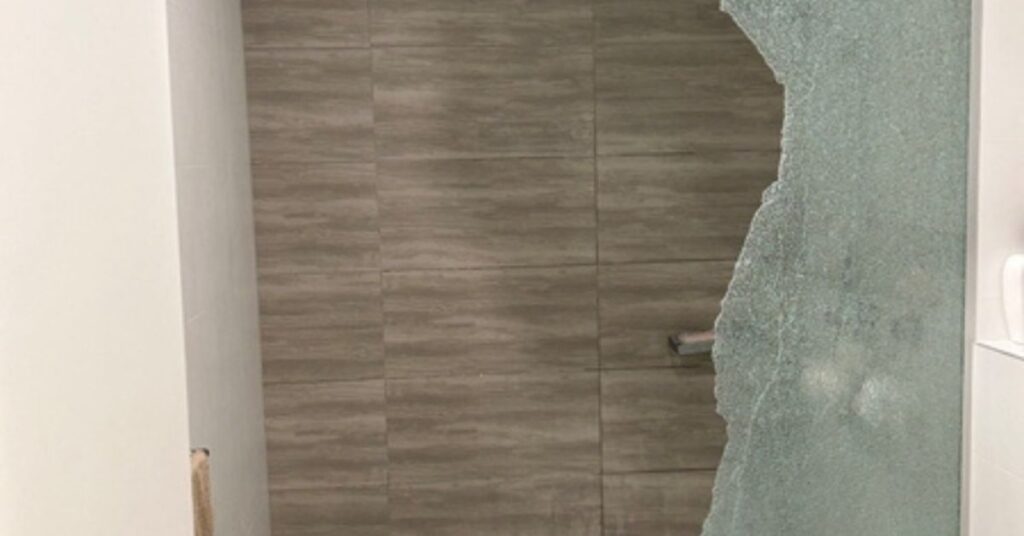
Who Is Responsible for Fixing the Window
Let’s make this crystal clear.
The landlord is responsible for organising the repair.
It does not matter who caused the damage. The responsibility for maintaining the property and ensuring it meets safety standards rests with the landlord.
In real-life jobs, we almost always deal directly with the landlord or property manager. They book the job, approve the quote, and make sure the repair is done properly.
There is a good reason for this.
Glass repairs are not something you want done incorrectly. Using the wrong glass type, poor installation, or mismatched panels can create bigger issues later, including safety risks and compliance problems.
So even when the tenant is clearly at fault, the landlord usually takes control of the repair process.
Who Pays for the Broken Window
Now we get to the part that actually causes arguments.
The general rule is simple.
Whoever caused the damage is responsible for paying for it.
But like most things in rentals, the details matter.
When the Tenant Caused the Damage
This is the most straightforward situation.
If the tenant, their child, or a guest caused the damage, they are responsible for the cost.
A very common example we see is a ball going through a window. Kids playing in the backyard, one bad kick, and the glass is gone.
It is accidental, but it is still tenant-caused damage.
In situations like this, the landlord arranges the repair, and the tenant reimburses the cost, or the cost is deducted from the bond.
We also see cases where tenants accidentally break windows from inside. Slamming a window shut, falling into it, or even leaning too hard on older glass.
Still counts.
And yes, pets are included too. If a dog jumps at the window and cracks it, that is still on the tenant.
When It Is Wear and Tear
This is where responsibility shifts to the landlord.
If the window breaks due to age, deterioration, or normal wear and tear, the tenant is not liable.
Examples include:
- Glass that has weakened over time
- Frames that have warped and put pressure on the glass
- Old installations that finally give way
We have attended jobs where the tenant swore nothing touched the glass, and honestly, they were right. The glass failed.
That falls under maintenance.
And maintenance is the landlord’s responsibility.
When It Is Caused by Weather or Natural Events
Strong winds, storms, or flying debris can easily break windows.
In most cases, this is considered beyond the tenant’s control, so the landlord is responsible.
However, there is a slight grey area.
If the tenant contributed to the damage through negligence, such as leaving windows wide open during extreme weather, it could become a shared responsibility.
But generally speaking, weather damage sits with the landlord.
When It Is Due to Break-Ins or Vandalism
If a window is broken during a break-in or vandalism, the landlord typically covers the repair.
This is usually handled through landlord insurance.
Tenants are not normally responsible unless there is clear negligence, such as failing to lock doors or secure the property.
In these cases, documentation is important. Police reports, photos, and timelines all help clarify what happened.

What Does the Lease Agreement Say
The lease agreement is always your starting point when things are unclear.
Most agreements outline who is responsible for maintenance, repairs, and damage.
But here is something important to remember.
Lease agreements must still comply with local tenancy laws. They cannot override legal obligations.
From what I have seen, many disputes happen simply because people did not read or fully understand the lease before signing it.
A quick review upfront can save a lot of stress later.
What Happens in Real Life
Let me walk you through how this usually plays out in the real world.
A tenant reports a broken window.
The landlord or property manager contacts a glazier.
We attend the property, assess the damage, and either repair or secure it.
The landlord pays for the job upfront.
Then the cost is sorted out afterwards based on who caused the damage.
This system works because it prioritises safety first and avoids delays.
Trying to argue about responsibility before fixing the window usually makes things worse.
What Tenants Should Do If a Window Breaks
If you are renting and a window breaks, here is exactly what you should do:
- Report it immediately
- Take clear photos of the damage
- Be honest about what happened
- Avoid temporary fixes unless necessary for safety
- Keep all communication documented
Trying to hide damage or delay reporting it rarely works out in your favour.
In fact, it usually makes things more expensive.
What Landlords Should Do
If you are a landlord, your priority is speed and compliance.
Arrange repairs as soon as possible
Use qualified professionals
Document the damage and communication
Stay clear and professional with the tenant
Even if you believe the tenant is at fault, do not delay the repair.
Safety comes first, always.
Can Insurance Cover the Damage
Yes, and this is often overlooked.
Landlords may have property insurance that covers accidental damage or vandalism.
Tenants may have contents insurance that includes accidental damage to fixtures.
This can make a big difference, especially for more expensive repairs like double glazing or custom glass panels.
It is worth checking your policy before paying out of pocket.
How Disputes Usually Happen
Most disputes come down to grey areas.
Was it wear and tear or negligence
Was the damage preventable
Was it reported properly
From what I have seen, the biggest issue is a lack of documentation.
No photos, unclear timelines, and poor communication make everything harder to resolve.
On the flip side, when everything is documented properly, disputes are usually resolved quickly.
Final Thoughts
A broken window in a rental property always feels like a bigger problem than it actually is.
But once you separate responsibilities, it becomes much clearer.
The landlord is responsible for fixing the window and ensuring the property is safe.
The tenant is responsible for paying if they caused the damage.
That is it.
From someone who deals with this almost every day, the best outcomes always come down to three things.
- Act fast
- Be honest
- Keep everything documented
Do that, and even a smashed window becomes a straightforward fix instead of a drawn-out argument.
FAQs About Broken Windows in Rental Properties
Can a landlord refuse to fix a broken window?
No, a landlord cannot refuse to fix a broken window because it is considered an urgent repair affecting safety and security. Even if the tenant caused the damage, the repair still needs to be organised promptly.
Can the repair cost be taken from the tenant’s bond?
Yes, if the tenant is responsible for the damage, the landlord can claim the repair cost from the bond. However, proper documentation and agreement are usually required before deductions are made.
What if the tenant refuses to pay for the damage they caused?
If a tenant refuses to pay, the landlord may need to go through a tenancy dispute process or tribunal. Evidence such as photos, invoices, and communication records will be important.
Can tenants organise the repair themselves?
Tenants can sometimes arrange repairs, but it is generally recommended that the landlord handles it to ensure compliance and quality. Unapproved repairs may cause issues with reimbursement or liability.
How quickly should a broken window be repaired?
Broken windows should be repaired as soon as possible, often within 24 to 48 hours depending on severity. Temporary fixes like boarding may be used if immediate replacement is not possible.
Does the type of glass affect who pays?
The type of glass does not usually affect responsibility, but it can impact the cost. Specialised glass like double glazing or safety glass may increase repair costs significantly.
Are landlords responsible for upgrading old windows instead of repairing them?
Landlords are generally only required to repair or replace like-for-like, not upgrade. However, if the existing window does not meet safety standards, an upgrade may be necessary.
What if the damage was caused by a neighbour?
If a third party caused the damage, responsibility may shift to that person or their insurance. In most cases, the landlord will still arrange the repair first and recover costs later.


